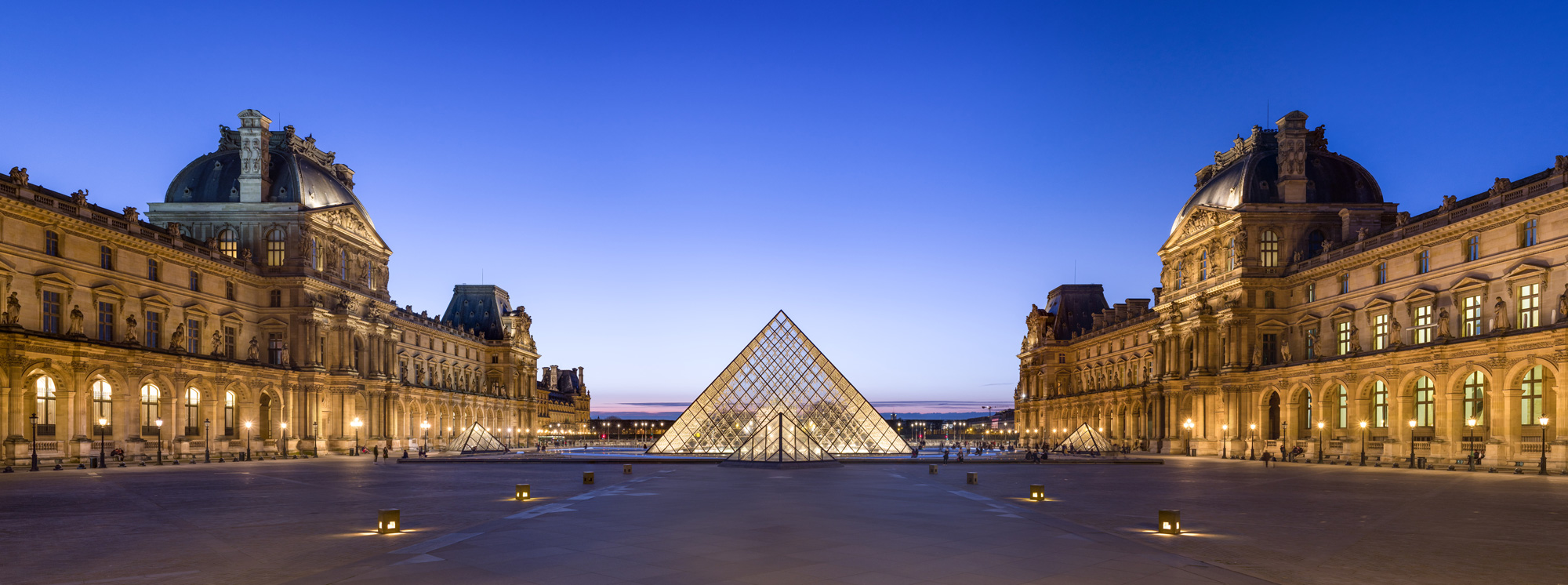
The protests began in mid-September with high school students demanding better conditions in schools, then widened to the cost of living, education cuts, and police repression of demonstrations. The blockade came two days after the national day of mobilization on October 17, marked by violence and damage in several cities. The students made a point of distancing themselves from the casseurs and handed out flyers in French and English to explain their reasons to the tourists in line, not always to a warm reception.
The museum’s management clarified that the action was not directed against the Louvre, which was chosen instead as a sounding board to give visibility to the students’ demands. The symbolic weight of the gesture is enormous, bringing the news to front pages around the world. The Louvre is one of the places that best represents French culture and identity, and October 19 is also the anniversary of the 2025 theft of the Crown Jewels, which exposed the fragility of an institution that until then had seemed untouchable. It is therefore hard not to see the coincidence as one more opportunity to draw attention.
A few days later, on October 24, the Louvre itself announced an exceptional closure, this time with automatic refunds for bookings. The decision was not a direct consequence of the student blockade but a preventive measure tied to the risks flagged by the Ministry of Culture ahead of the authorized demonstration between Bastille and Nation, in a climate of growing tension on both sides, among the demonstrators and the police forces deployed by the government.
The suspension affected much of Paris’s cultural system: the Musée d’Orsay, the Orangerie, the Musée Picasso, the Grand Palais, the Musée des Arts et Métiers, the Bourse de Commerce – Pinault Collection, the Fondation Cartier, the Fondation Louis Vuitton, and even the Tuileries Garden. Art Basel Paris closed two days early, on Friday, October 23. A social media post had called on people to “retake the Palais” during the days of the fair, protesting the concentration of wealth and the tax privileges tied to the art market.
The closures, public and private alike, were motivated by public order and safety concerns, not by sympathy with the demonstrators’ demands. The fact remains that, for a few days, the most visible places of Parisian art became the space where the protests could not be ignored, amid national symbols, the global market, and a future that young people are claiming also through their presence in places of culture.