

Luca Guadagnino for Zara Home: The “Atlas of Desire” Collection Between Cinema and Design

by | Oct 22, 2026

Luca Guadagnino the Director: from “Call me by your name” to “Joie de Vivre”

Most people will know his name for directing internationally acclaimed films like Call Me by Your Name and Challengers. From these titles alone, which became celebrated media phenomena, along with many other award-winning films, the personality of the great Luca Guadagnino emerges: a director, screenwriter, and film producer, and one of Italy’s most prominent figures at the moment. He recently stood out in the Out of Competition section of the 83rd Venice International Film Festival with a seven-hour documentary paying tribute to Bernardo Bertolucci, titled Joie de Vivre.


Studio Luca Guadagnino: The Other Side of His Artistic Work

The other side of the coin of his work as an artist, which inevitably influences and is influenced by his celebrated films, is perhaps not as widely known. For ten years now, Studio Luca Guadagnino has been active — an interior architecture, design, and art direction studio founded in Milan together with Giulio Ghirardi, architect and photographer. The same attention to detail, refinement, and harmony that characterize the aesthetics of the director’s cinematic settings become the fundamental pillars of his work as a designer, combined with a skillful use of materials and a deep knowledge of architectural history.

Luca Guadagnino for Zara Home: The "Atlas of Desire" Collection Between Cinema and Design

Credit Zara Home

The Team: Stefano Baisi, Eleonora Grigoletto, and Nicolò Rosmarini

Guadagnino is not a solitary genius in the mold of Michelangelo, but rather a shrewd master of the workshop who surrounds himself with young talents and professional collaborators, so as to draw something new and contemporary from tradition and craftsmanship, in a close dialogue between different styles and eras. Among the most important names in this collaboration are Stefano Baisi, Eleonora Grigoletto, and Nicolò Rosmarini.

After meeting Stefano Baisi, an architect and designer, in 2017, Baisi joined the studio’s team, and in 2022 the director even entrusted him with the set design of the acclaimed film Queer, an adaptation of William S. Burroughs’s novel Queer, set in Latin America.

Luca Guadagnino for Zara Home: The "Atlas of Desire" Collection Between Cinema and Design

Credit Zara Home – Luca Guadagnino and Stefano Baisi

“Atlas of Desire”: The Furniture Collection for Zara Home

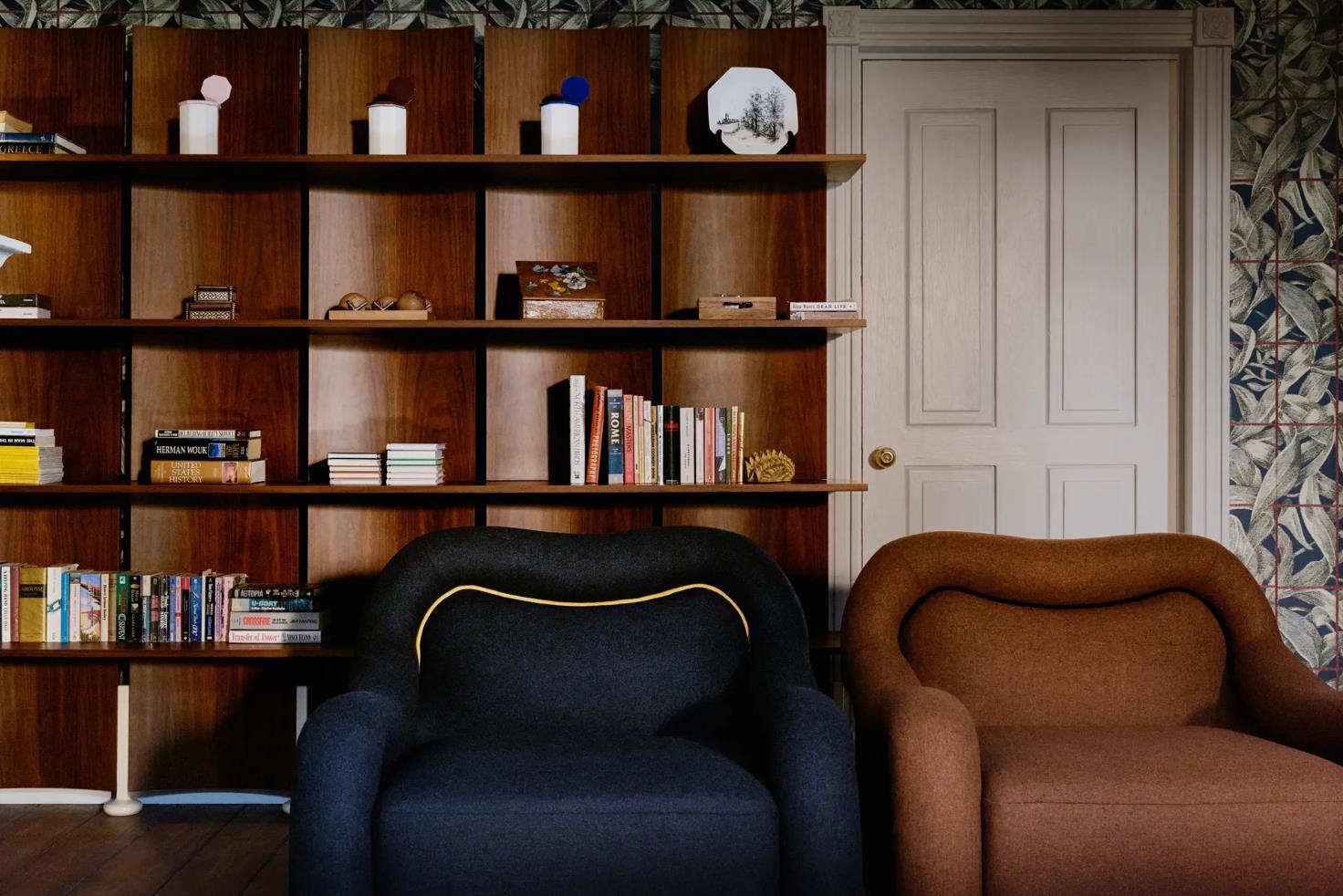
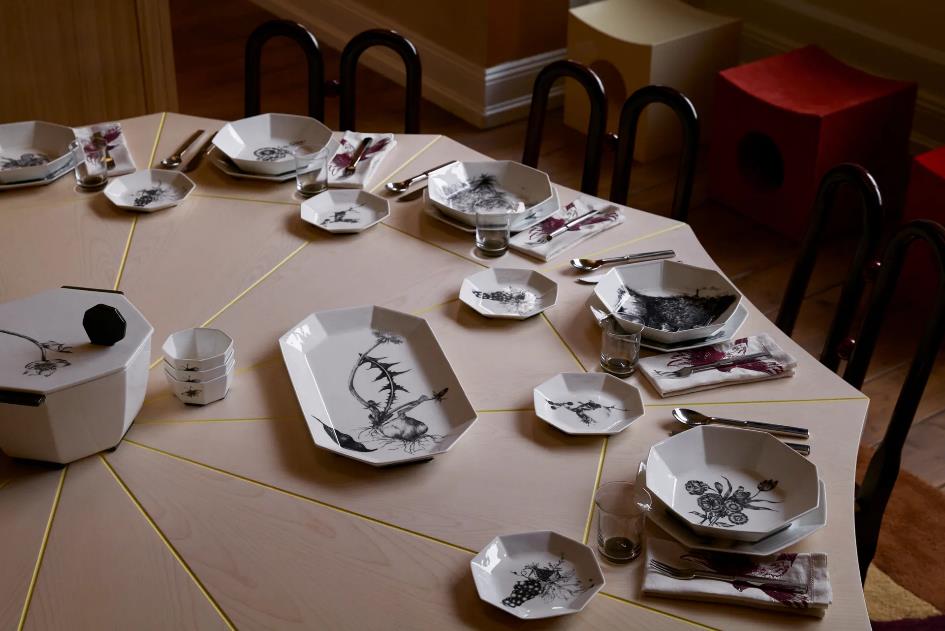
It is precisely this close partnership with production designer Baisi that gave rise to the latest exclusive furniture collection for Zara Home. Launched during Milan Fashion Week on September 26, “Atlas of Desire” blends the geometries of the Vienna Secession, the curves of French Art Deco, the warmth of Brazilian Modernism, and the sensuality of Italian Radical Design across more than 200 ready-to-wear pieces.


The Short Film: When Set Design Becomes the Protagonist

Guadagnino, however, remains fundamentally a director, and in this project for Zara one can appreciate precisely the union of two different yet closely connected arts: cinema and design. To present the collection, he returns to directing a short film written by Scott Z. Burns, starring Jamie Bell, Chase Sui Wonders, Michael Stuhlbarg, and Patricia Arquette. The key link in the project is the set design itself, which goes from being a simple backdrop to becoming the protagonist and a fundamental part of the story.

Luca Guadagnino for Zara Home: The "Atlas of Desire" Collection Between Cinema and Design

Credit Zara Home

Luca Guadagnino for Zara Home: The "Atlas of Desire" Collection Between Cinema and Design

Credit Zara Home

Zara and Authorship: The Strategy Behind the Collaboration

Beyond the beauty and variety of the collection and the project behind it, capable of catapulting anyone onto a film set, the Spanish global brand’s initiative fits into a strategy launched in recent years with other big names, aimed at bringing authorship into mass-market products. The aesthetic universe of the Italian director and the designer is translated not only into objects, but into languages and references to live in. Zara thus seeks to interpret current trends and move beyond its fast-fashion image by drawing on famous, recognizable names, which it brings to the general public in the role of mediator between the world of high fashion and global design and the everyday life of the middle class.

Although collaborations between major brands and artists are not rare, Zara’s strategy seems intent not only on leveraging the fame of a name, but also on redefining its own cultural identity. What the multinational, owner of one of the world’s most important economic empires in fashion and design, lacked was precisely cultural legitimacy, which it can achieve by borrowing the creativity of recognized artists. This doesn’t make the “Atlas of Desire” collection any less valuable, nor does it diminish the artistic quality of its creators: what we need to reckon with is how large corporations use such collaborations to increase their own value.

*All images on this blog are used for educational and critical purposes only. Credits and copyrights belong to their respective owners and authors. The gallery remains at the disposal of the rightsholders for any corrections, specific citations, or immediate removals upon request.